WHO IS IN CHARGE
A stunt coordinator
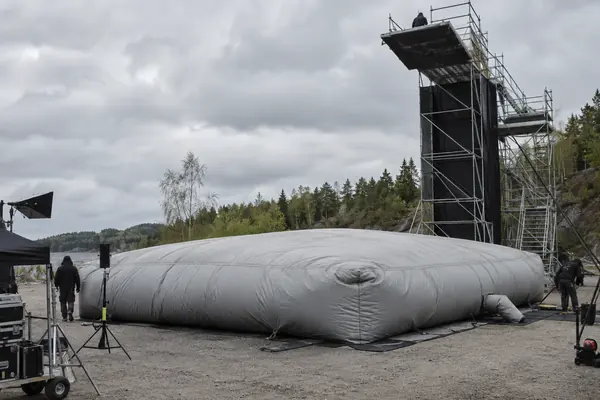
Film London says all stunts should be under the direct supervision of a British Stunt Register coordinator or someone of similar experience.
Who coordinates doodlestuntman
00WHAT THE GUIDANCE SAYS
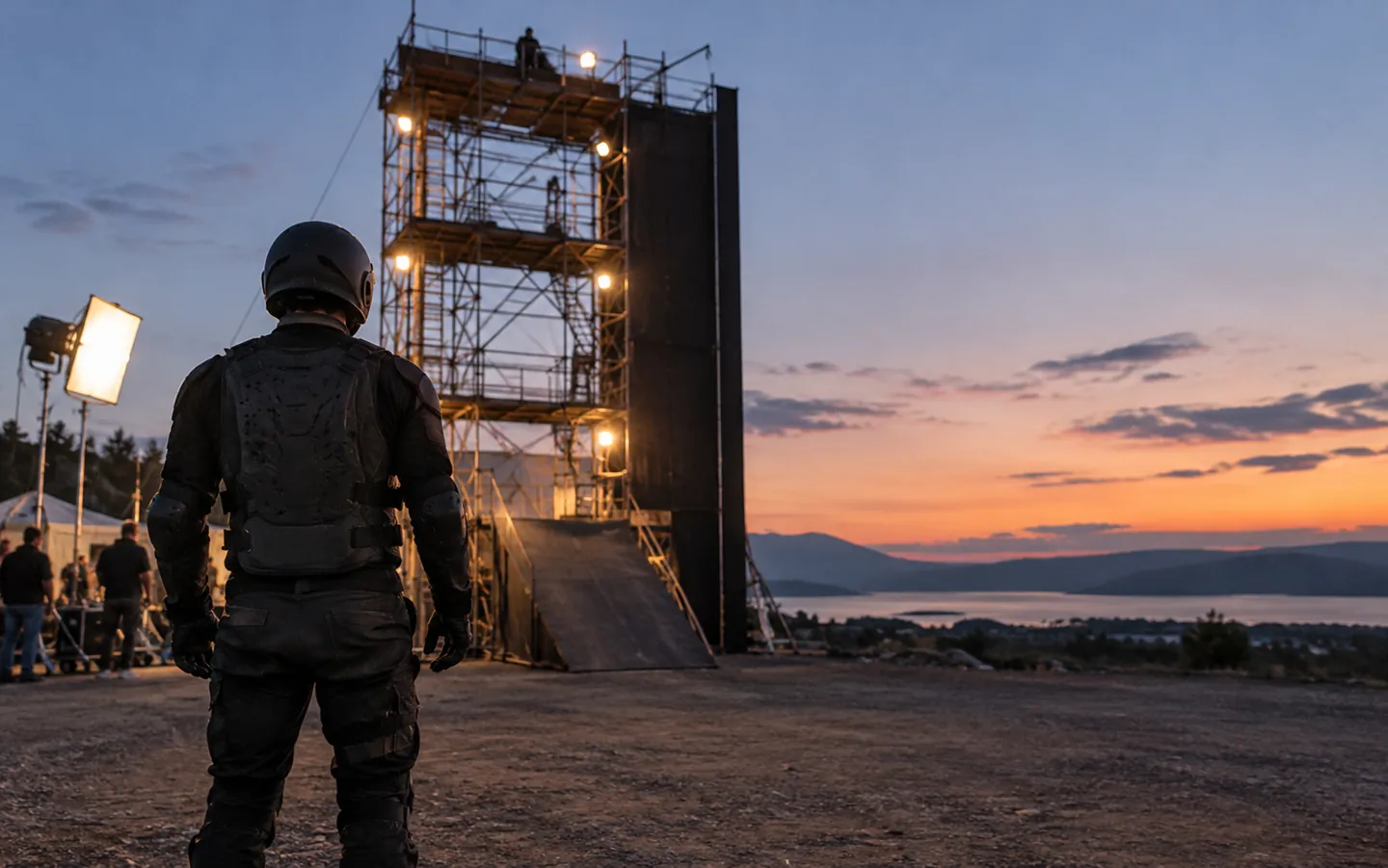
A good stunt is a controlled one.
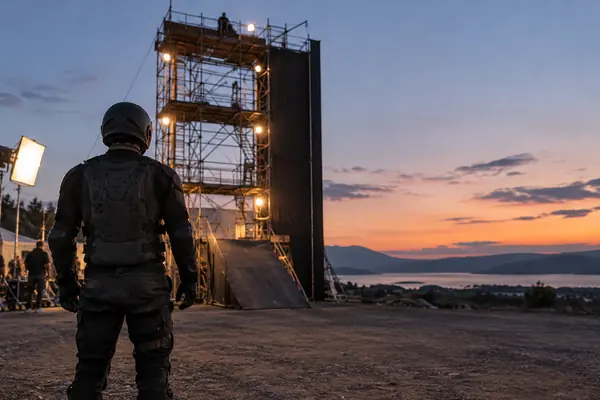
HSE defines a stunt as a competent professional simulating a dangerous, or apparently dangerous, activity in a controlled way. Behind every fall or fight on screen sits a plan, a rehearsal and a coordinator watching every second.
See the order of safety01Principles
02THE SHORT ANSWER
Three things UK guidance expects
before anyone falls, fights or crashes on camera.
WHO IS IN CHARGE
Film London says all stunts should be under the direct supervision of a British Stunt Register coordinator or someone of similar experience.
Who coordinatesTHE PLAN
HSE asks productions to consider eliminating the hazard first, for example by using CGI, before turning to equipment and protective kit.
See the order of safetyTHE PEOPLE
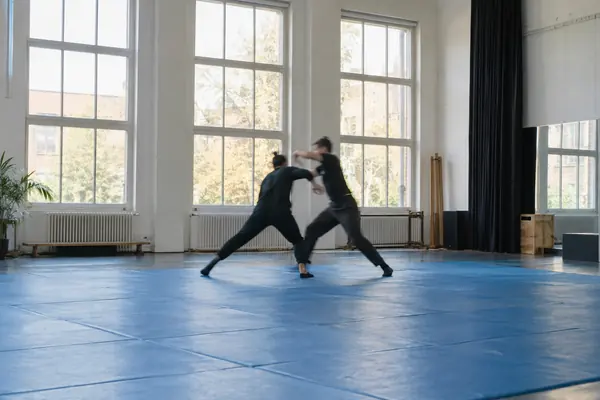
Stunt performers may rehearse for several weeks before filming and complete a full risk assessment for each stunt, says My World of Work.
How performers train03THE ORDER OF SAFETY
Pick a way of controlling the risk of a stunt to see where it sits in HSE's order. The bar shows how far down the list it comes: the lower the bar, the earlier it should be considered.
Based on HSE Entertainment Information Sheet No 17 on stunts, fights and other potentially hazardous production activities. General information, not a safety plan for any production.
04TWO NUMBERS WORTH KNOWING
One figure on qualifying,
one on the people who run the action.
6 disciplines
Disciplines needed for BSR accreditation
To gain British Stunt Register accreditation, trainees complete six disciplines from six skills groups, A to F, including fighting from Group A.
QUALIFYING · MY WORLD OF WORK
118
Stunt coordinators listed by the British Stunt Register
The register, founded in 1973, lists 118 coordinators and 514 professional performers on its website.
COORDINATORS · BSR
Figures from the British Stunt Register website on 15 October 2026; membership changes over time.
05THE ROUTE IN
My World of Work, Scotland's careers service, describes how people get into stunt work in the UK.
Falls draw on gymnastics, high-diving or trampolining; other work needs martial arts, swimming, horse riding or advanced driving.
No formal qualifications are needed, but it is usual to have some experience on a TV or film set as an extra or walk-on actor.
To get stunt work you should join the British Stunt Register, starting as a trainee through its website.
Performers plan stunts with production staff, set them up under a coordinator's supervision and use kit such as bodysuits, fire protection or wetsuits.
06WHO COORDINATES
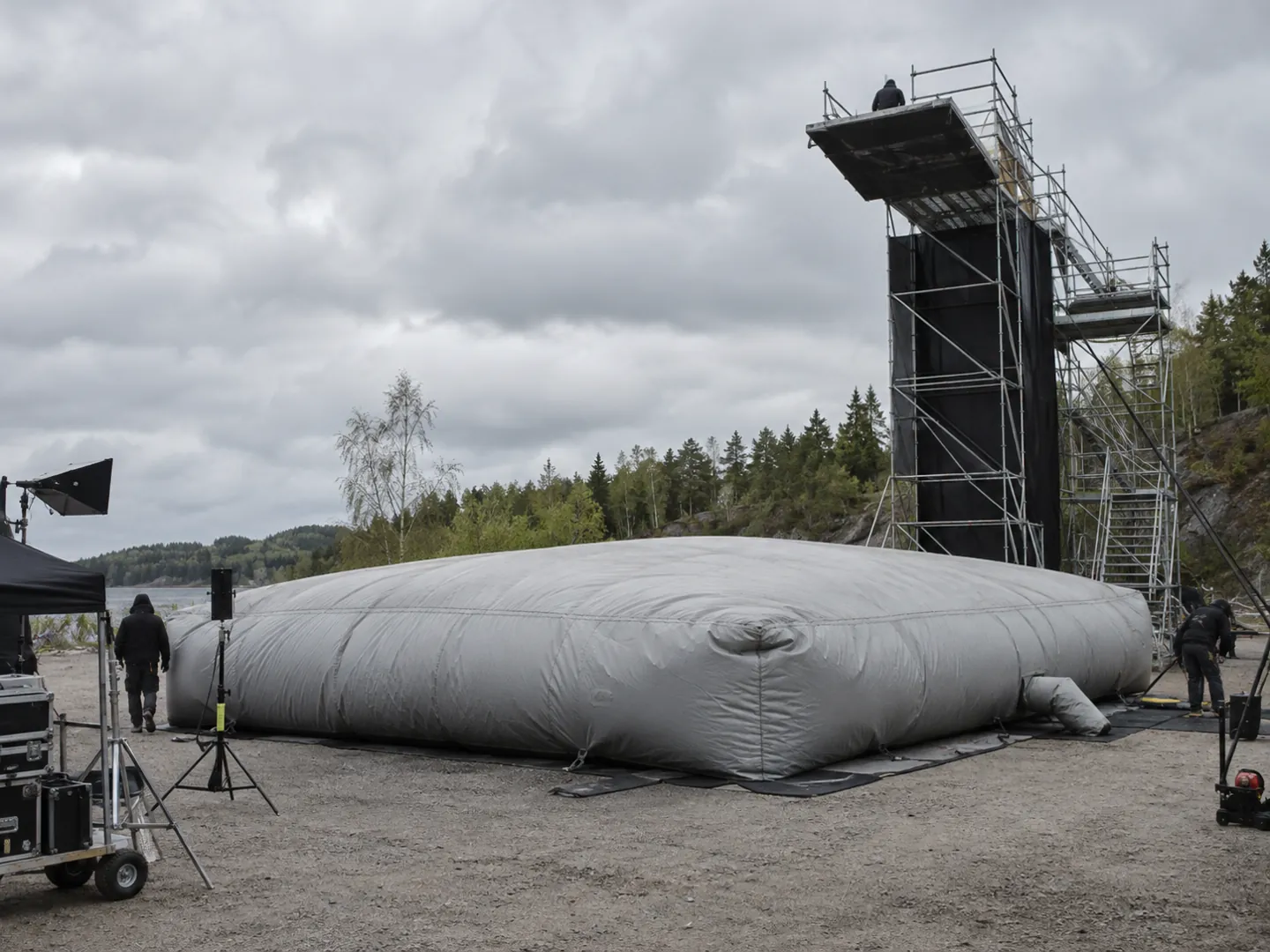
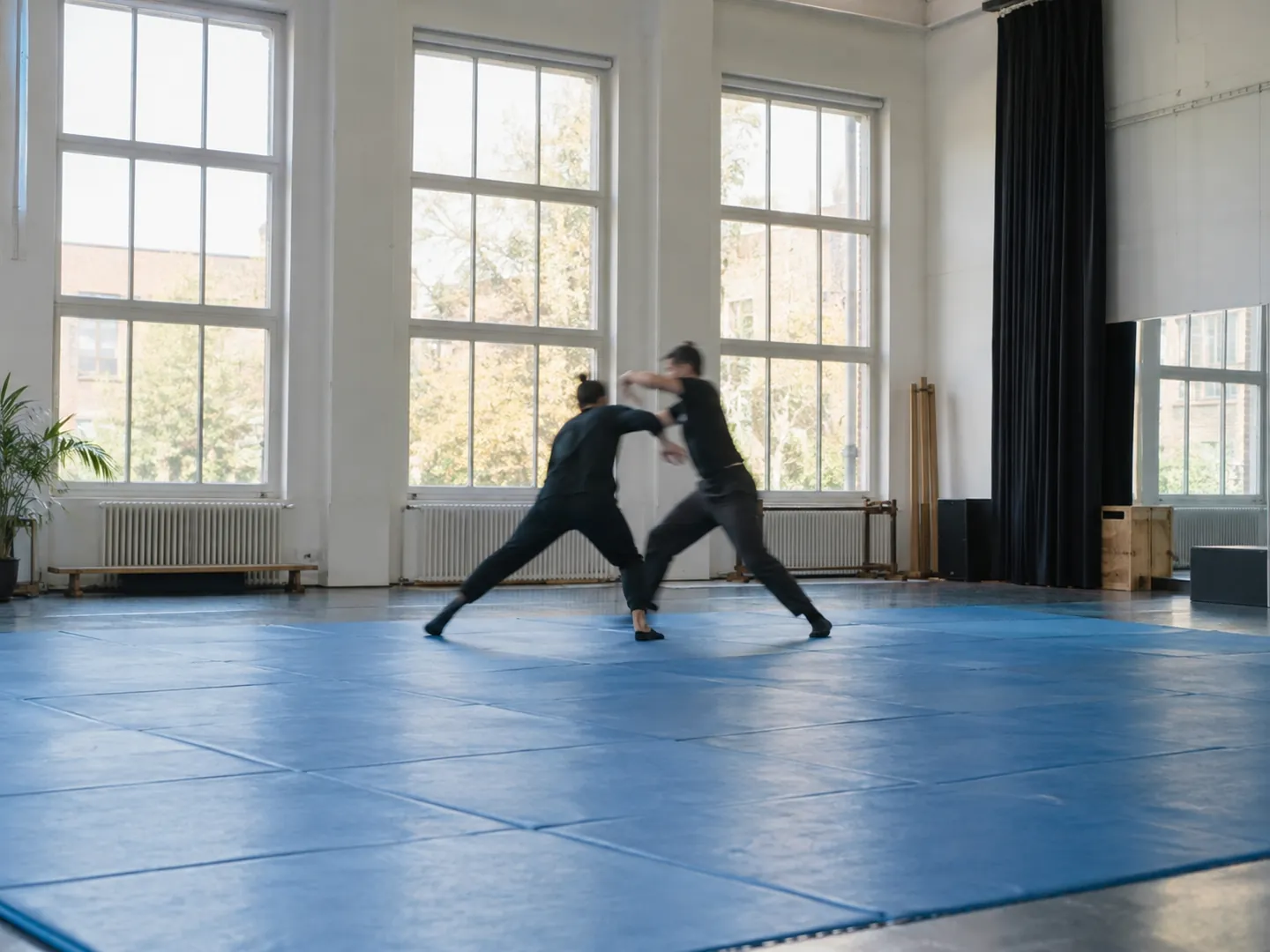
HSE says the stunt coordinator should have the best view of the action and its immediate area at all times, and be able to communicate with all key people. Only people with the necessary competence, knowledge, experience and training should be involved in stunt work.
Film London adds that no crew member or actor may dictate who is cast in a stunt role when the coordinator doubts their suitability. Legal duties for safety rest with the employer, normally the production company.
07Questions
HSE describes a stunt as a competent person, such as a professional stunt performer or coordinator, simulating or coordinating a dangerous or apparently dangerous activity in a controlled way during a film or TV production.
HSE says legal duties for health and safety rest with the employer, which in most cases is the producer or production company, and that these duties cannot be delegated.
My World of Work says to join the British Stunt Register as a trainee and complete six disciplines from its six skills groups, A to F. No formal qualifications are needed, but set experience helps.
HSE's guidance lists eliminating a hazard as the first option to consider, and gives using CGI techniques as an example of avoiding the risk to stunt performers.
No. HSE says its stunt guidance does not cover private individuals taking part in adventure activities or dangerous sports. Screen stunts rely on trained professionals, rehearsal and supervision.
08Sources
ABOUT THIS NAME
doodlestuntman.com is part of the DoodleSale portfolio. It isn't in an auction right now, but you can ask about leasing it.